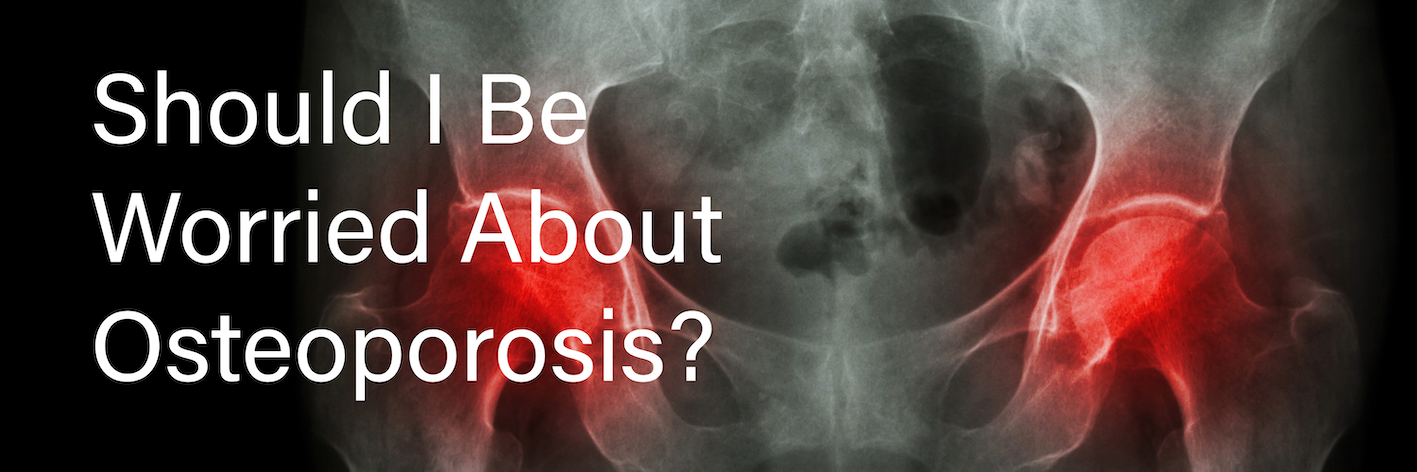
As menopause approaches, the topic of bone health becomes increasingly crucial for women. The rapid and sudden decline in oestrogen production means bone turnover slows and more bone is removed than made. Osteoporosis, a condition characterised by weakened bones, emerges as a significant concern. In this article, we explore the nuances of osteoporosis, including key statistics and preventive measures.
Understanding Osteoporosis
Osteoporosis is associated with reduced bone density and increased risk of fracture. At the end of our bones, the amount of collagen and a mineral layer start to reduce and these both make the bones more prone to breaking.
All our bones replace themselves constantly. It takes 10-12 years for an entirely new skeleton to be created. Bad bone that contains microcracks is removed and good stronger bone replaces it. Osteoporosis manifests when the body loses bone mass faster than it can replace it, resulting in brittle and fragile bones. This makes them more prone to fractures and breaks.
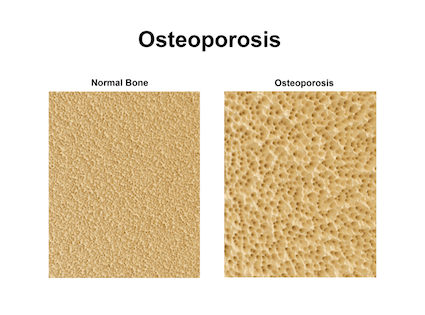
It’s often referred to as a "silent disease" because it typically progresses without symptoms until a fracture occurs. It is therefore thought the numbers of diagnosed are much smaller than the actual number of people who have it.
Startling Statistics
Some estimates are as high as 1 in 2 women over the age of 50 (who are not on HRT) have osteoporosis and 1 in 5 men. This significantly elevates the risk of osteoporotic fractures, most commonly occurring in the hip, spine, and distal forearm/wrist. However, the fractures can be anywhere in the body and come easily. If you have osteoporosis, you can fracture the spine just by turning over in bed. It doesn’t have to be a high impact event. The twist of the spine causes the fracture where it is so fragile.
The Grave Consequences of Fractures
The ramifications of osteoporotic fractures extend beyond physical discomfort:
- A massive 90% of hip and vertebral fracture patients report their symptoms as being the most severe on any of the scales of impact of quality of life.
- 25% of fracture patients die, with issues related to the fracture named as the cause. The moment you fracture your hip you instantly increase your chances of dying by 20% during the first 12 months after the event.
- Loss of Independence: Half of all people with hip fractures never regain mobility, while an equal proportion never return home post-fracture.
- For vertebral fractures, height loss and back pain are the two main consequences of osteoporosis and fracture.
- Once you have developed osteoporosis, it is a lifelong condition.

How Do I Know I Have Osteoporosis?
You can see from this picture, how height and posture are both affected by osteoporosis. Therefore, it is a great idea to do an annual height measurement on your birthday every year, as this can help you detect changes in your bone density. If your height starts to decline or you break any of the bones listed above, then it is the time to speak to a medical professional to get a bone density scan.
However, good bone health isn’t all about bone density…
Bone density does not give us the whole picture. When you have a scan it gives you a T-score to indicate your bone density. But if you compare a woman in her 40’s with a woman in her 60s or 70s who both have a T-score of -2.5, the older woman is still 10 times more likely to get a fracture than the younger woman. So, what is going on?
We have to look at the overall bone quality. As well as being dense enough, we also need some flexibility in our bones. Bones that are too dense have also been shown to increase your chance of a fracture.
The protocol used to be, to give medication to young women whose bone density was looking slightly low. This was an attempt to prevent it going lower as they got older. However, these medications to improve bone density worked so well that when taken over many years, their bones became too dense. The bone became so thick that the blood vessels couldn’t get through and the bone ended up effectively dying and shattering. We now know these medications should only be taken for short periods of time in people who already have osteoporosis, never as a preventative method.
Preventing Osteoporosis
Obviously with my job, I'm all about prevention rather than cure. Here are a few crucial things you can do to maximise your chances of avoiding this disease:
-
Do both weight bearing and high impact exercise
as that loads the bones and makes them stronger. Jumping up and down stimulates the bone forming cells. So skipping or just stomping will help.
2. HRT
HRT is nearly as good as bisphosphonates (the drug class prescribed when someone is diagnosed with osteoporosis) in preventing fractures. Bones contain a lot of oestrogen receptors which is why oestrogen replacement helps so well. HRT remains the safest option for prevention, particularly in younger (aged less than 60 years) and/or symptomatic women.
It has been shown that just a few years of treatment with HRT around the time of menopause may have a long term effect on fracture reduction.
3. Nutrition
Get calcium into your diet. If you can tolerate dairy, then that is a good source, but calcium is found in other plant based foods also, which some people argue are healthier options. But what seems to be most important in having a bone-strong diet, is having a good, balanced and varied diet with lots of vegetables (especially the dark green ones).
Other high calcium and bone loving foods are:
- Oily fish (eat the bones in your tinned fish).
- Fermented foods are brilliant. And yoghurt.
- A low acid diet made up of mostly organic plants is very bone friendly.
- Eat lots of phytoestrogens – think of a traditional Japanese diet: fish, seaweed, vegetables, fermented foods, soy, tamari, miso.
- Dairy if you can tolerate it.
Interestingly, to note, eating more calcium doesn’t automatically mean we get more calcium in our bones. The most important thing is to have a complete healthy diet for the calcium to be taken up and used by the bones in the body. Calcium will not be well absorbed by the body without a nice rounded diet. This study found that your diet makes 30-40% difference in your chance of getting osteoporosis and keeping fractures away.
4. Vitamin-D
Get out in the sunshine daily to get your vitamin-D. Because we need enough vitamin D in the gut to be able to absorb any calcium that we eat. Mushrooms can also be a good source of vitamin D. TOP TIP: if you leave them out in the sun for half an hour before eating, this massively increases the vitamin D stores within them.
5. AVOID soda drinks
Fizzy drinks are found to increase the risk of hip fracture irrelevant of which soda it was and whether it was diet or not. They leach calcium out from the bones.
6. Keep ultra-processed foods to a minimum.
7. Avoid smoking
8. Reduce alcohol intake
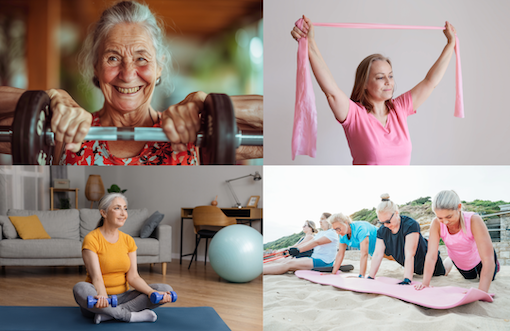
For all the reasons above, all my exercise classes focus on resistance training to build the bones of women who are are potentially at high risk of osteoporosis. The stronger your bones are to start with, the higher they're levels will be, even if they decline. But it is never too late to make a difference. Resistance training will have huge impact on your health no matter how late you start.
Join me on Zoom or in person in West Worthing/Goring for classes specifically targetting the needs of women aged 35 and above, where bone and muscle mass start to decline. Find out more at: https://www.sussexfitness.co.uk/holding-back-the-years-membership/