SHOULD YOU EAT AND DRINK DAIRY?
The pro’s and con’s of eating dairy are constantly disputed. So here is my take on it with some evidence to back up my thoughts...
What counts as dairy?
Any food or drink made from milk that has come from an animal. This includes:
- all forms of milk (full-fat milk, skimmed milk, condensed, evaporated, powdered, buttermilk, whey etc)
- cream
- cheese
- butter
- yoghurt
- fermented milk products
- custard
- ice cream
- whey and casein
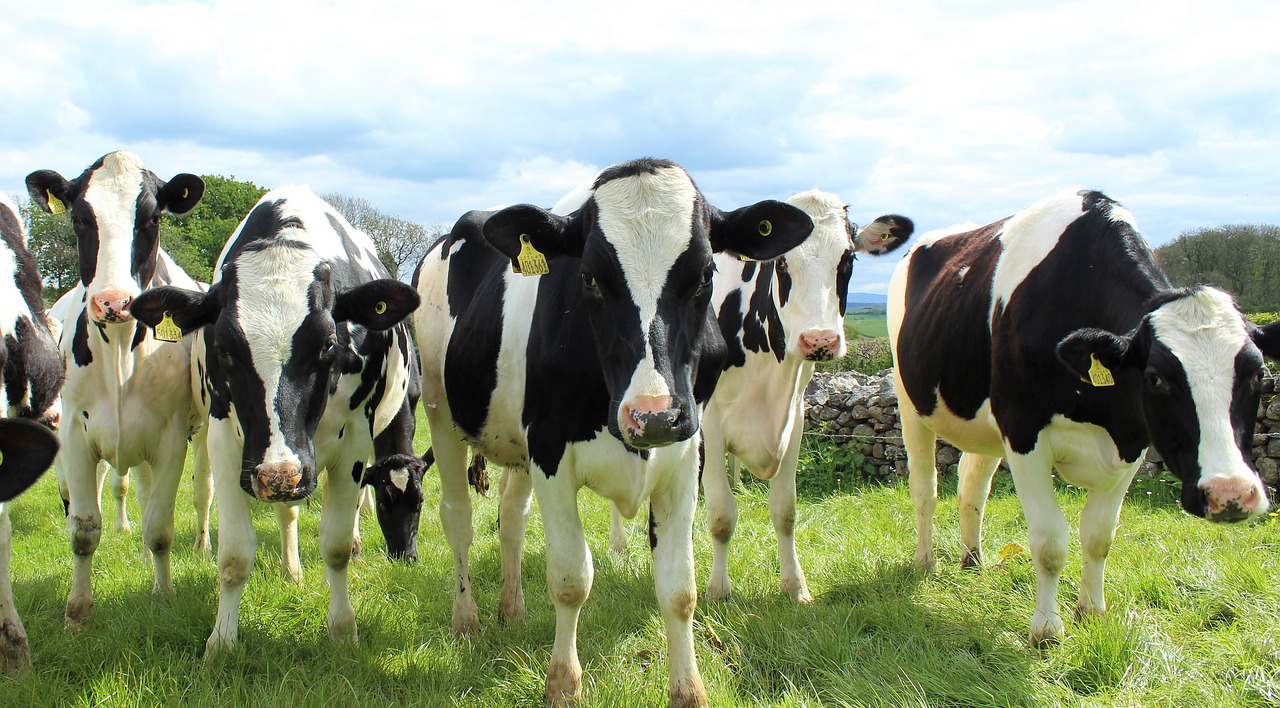
The most common animal to take the milk from is a cow, but sheep, buffalo, goats and reindeer are also common animals that produce dairy across the world.
Symptoms of dairy intolerance
Usually, I do not eat dairy. After trialling omitting it from my diet (through my 21 Day Reset programme), I found that I felt a lot better within myself without it. I’ve also had food intolerance tests that show that I don’t respond well to cow’s milk. However, it is hard to avoid and I have to think constantly about getting enough calcium in my diet (which is hard work!). Not to mention how much I miss cheese!!!
For me, I can literally see my waistline increase in diameter over the day when I eat dairy. This is internal inflammation shown on the outside as bloating. And I know I am not alone with this specific symptom. But there are lots of other possible symptoms also:
- skin conditions such as eczema can clear up for some people just by giving up dairy
- dairy can cause excess phlegm and catarrh
- lactose (which is a sugar found in milk) intolerance has symptoms such as diahorrea, bloating, flatulence, feeling sick, abdominal pain and colic in infants.
ARGUMENTS FOR GOING DAIRY-FREE
Environment
- Greenhouse Gas Emissions: Cows are one of the biggest contributors to greenhouse gases through their wind and manure. But also, worldwide regular deforestation takes place to make grazing land for cows to satisfy our high demand for dairy products. This increases the greenhouse effect even further. Research shows us that a glass of cow’s milk produces almost 3 times the greenhouse gas emissions that non-dairy alternatives do.
- Degrading the Water Table and Loss of Ecology: “Poor handling of manure and fertilisers can degrade local water resources. And unsustainable dairy farming and feed production can lead to the loss of ecologically important areas, such as prairies, wetlands, and forests.” World Wildlife Fund (WWF)
Health
- Gut Health: Non-organic cows are often fed food with antibiotics added to their feed to make them grow faster. They treat cows with antibiotics when they are sick and graze in fields sprayed with pesticides. All of these chemicals are known to kill off the good bacteria in ours and the animal’s guts, which in turn negatively impacts our immune system and overall health.
- Hormonal Balance and Cancer Prevention: All animal milk contains the cow’s own hormones including oestrogen, progesterone, corticoids and testosterone. Even if you use organic milk that has no ‘added’ hormones from the farmer, you will still be ingesting some additional hormones from the cow. These hormones can disrupt general hormonal balance and increase the risk of breast, endometrial and prostate cancers. Pre-pubescent children are particularly at risk of bringing on early puberty. And testosterone levels have been shown to decrease in everyone.
- Many people, especially midlife women are intolerant/allergic to dairy: If you eat dairy and you are intolerant it will cause systemic inflammation throughout your body. It is very common for a woman going through peri-menopause to have a change in their gut function and to suddenly be unable to tolerate dairy even if they were able to before.
ARGUMENTS FOR INGESTING DAIRY
- Great source of calcium: It gives you calcium and you don’t have to worry about not getting enough calcium. People who eat dairy tend to easily get enough without trying.
- Protein & Vitamin D: Dairy is also a great source of protein and vitamin D.
- Gut Health: Fermented dairy products contain live bacteria that are great for gut (and therefore overall) health.
- Great source of protein for building muscle: In terms of types of protein, milk-based proteins (whey and casein) have been shown to promote greater protein uptake in the muscle, as well as greater muscle building compared with soy protein. Milk is a near-perfect recovery drink! It helps with all 3 replenishments: glycogen, protein and rehydration.
- Anti-Inflammatory: Only for those people who are not sensitive to dairy, it seems that it can actually have an anti-inflammatory affect across the body.
IN CONCLUSION
There are strong arguments both for and against consuming dairy products. Your decision should probably depends on who you are and how your body functions. Always be mindful that if you do eat dairy, there may come a time when it starts to not agree with you. And if you don't eat it, you have to plan your food carefully to ensure you are getting enough calcium and vitamin D.
But there are loads of benefits of eating dairy. Perhaps if you are not intolerant/allergic the best approach is to have just a little in your diet. But always keep it organic to minimise the negative impact on your body and the planet.
If you'd like to try cutting dairy, but would appreciate some help doing this, join me for my next 21 Day Reset. It starts next Monday 13th March 2023.