
Overcoming Common Exercise Barriers: A New Year’s Guide
Happy New Year! As we step into 2025, many of us are making resolutions to improve our health and fitness. Yet, for many, starting or sticking to an exercise routine can feel daunting. The reasons for putting off exercise are varied, but the good news is that with the right mindset and strategies, each obstacle can be overcome. And there comes an age when you just can't avoid exercising any more if you want to lead a healthy and able life. So let’s explore some of the most common reasons women delay exercising and actionable solutions to tackle them.

1. “I Don’t Have Enough Time”
The Challenge: Between work, family responsibilities, and social commitments, finding time for exercise can seem impossible. This is the most common reason I hear.
The Solution:
- Start Small: Start with "exercise snacks," which are short, 1-2 minute bursts of movement whenever you can fit them in. For example, while waiting for the kettle to boil, try doing some press-ups on the countertop. Small actions like these add up quickly and can lead to noticeable progress when done consistently. I see rapid progression in people who take on this challenge and do it daily. Short workouts (10-15 minutes) can still make a big difference too (I have some on my membership site that will hit your fitness goals, but very quickly). High-intensity interval training (HIIT) or quick bodyweight circuits are efficient options for maximum benefit in a short amount of time.
All my classes are only 45 minutes long and designed with time-constrained women in mind. You can join from home, saving valuable commuting time, while still achieving effective and engaging workouts tailored to your needs as a woman over 35. All you have to do is log on to Zoom or my membership portal and then you've done it for the day.
- Incorporate Movement: Use everyday opportunities to be active, like walking during phone calls or sit down and stand up 10 times before you allow yourself to nestle down in front of the TV. A stand-up desk or the under desk treadmills you can now buy are also great options.
- Plan Ahead: Schedule your workouts as you would a meeting, and treat them as non-negotiable.
- Arrange To Be Active With Friends: Whether it is a walk together (instead of cake and a sit down) or an actual workout, it means you are killing two birds with one stone, saving time: Socialising and getting fitter.
- Active Commutes: if you walk or ride a bike whenever possible, it usually doesn't add in much time to your day. If you are driving, park a bit further away. Take the stairs and not lifts. If you generally lead a sedentary life then use a tracker to try and get to 10000 steps a day.
- Prioritise Your Health and Fitness: A lot of the time we put fitness as a lower priority than say children or work. But actually it is equally as important and if you neglect this part of your life, your children and work will also benefit. It is win win and so you have to stop relegating your self care.

2. “I’m Too Tired”
The Challenge: Fatigue from a busy lifestyle can leave you feeling like you have no energy to work out.
The Solution:
- Choose Energising Activities: Remember that exercise can combat fatigue by boosting endorphins and circulation. If you are very inactive, start with gentle activities like stretching or walking to build momentum. Then build up to the higher energy workouts.
- (For Women) Adjust To Your Cycle: The week before your period (or the week approaching the full moon if you don't have a period for any reason) you may want to dial down your workouts. Oestrogen and progesterone are both falling and you might be feeling a bit crappy and eating junk. So if you feel that way, definitely keep your body moving with walking, stretching and mobility work, but ditch the harder stuff that week. The important thing is to listen to your body, and only push yourself if you feel up to it.
- Work With Your Body Clock: Morning workouts often have better adherence rates because they are less likely to be disrupted by daily responsibilities or unexpected events, making them a more reliable time for many individuals to stick to their routine. However, if you are someone who has more energy in the afternoon/evening, then make that your workout time. But be mindful of letting excuses get in your way later on.
- Prioritise Sleep: Create a sleep routine to ensure you’re well-rested, making it easier to stick to your fitness goals. Go to bed and get up at the same time each day - this is the single biggest thing you can do to help your sleep quality. Make sure your room is 100% pitch black and is nice and cool.
- Fuel Your Body Properly: Make sure your body has the food and water it requires to give you energy. If you are trying to build muscle, you need an excess of calories plus weight training for this to work. If you are trying to workout fasted to lose fat and you are struggling, then fasted workouts might not be for you (it isn't for many women). Or where are you in your cycle? The week before your period/full moon you need to eat slightly more. So have you done that? [I discuss these points further in my 21 Day Reset programme]

3. “I Feel Self-Conscious”
The Challenge: Many women worry about being judged or feel uncomfortable working out in public.
The Solution:
- Workout at Home: Invest in a few basic pieces of equipment or follow online classes (like mine!) to build confidence in a private space. You can do my classes on your own as recordings, or join me on Zoom and hide a bit when you feel self conscious. I'd obviously prefer to see you, but the reality is I know this is what lots of my clients do.
- Find Inclusive Spaces: Look for women-only gyms or beginner-friendly classes where the focus is on support, not competition.
- Shift Your Perspective: Keep in mind that most people are concentrating on their own progress and workouts, not judging others. Focus on building your confidence and celebrating your personal growth.
4. “I Don’t Know Where to Start”
The Challenge: Starting a fitness routine can feel overwhelming, especially if you’re new to exercise.
The Solution:
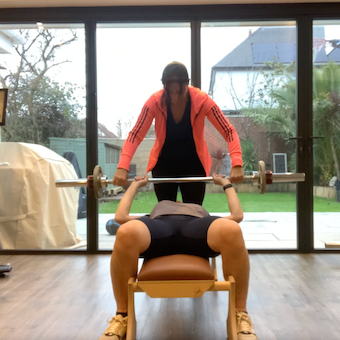
- Seek Guidance: Hire a personal trainer (like me!) or join a group class (like mine!) to learn proper techniques and stay motivated. I see quite a few people who have a few personal training sessions to learn technique and then move on to my classes once they feel confident.
- Teach Yourself: Get on YouTube and look up beginner-friendly workouts tailored to your specific goals. The workouts I teach are all aimed at peri and post menopausal women, so if that is your aim then I'm your woman!
- Start Simple: Begin with basic movements like walking, bodyweight exercises, or stretching, then gradually increase intensity.
5. “I Can’t Afford It”
The Challenge: Gym memberships, classes, and equipment can be expensive.
The Solution:
- Go Free: Walking, if your body can take it, then running also, or following free online workout videos are all budget-friendly options.
- Use What You Have: Household items like water bottles can double as weights, and stairs make a great workout tool.
- Invest Wisely: If you do spend money, start small with essential equipment like resistance bands and an exercise mat. These are my minimum requirements to attend my classes. You can do most exercise with just those items. But now is also the time to pick up some bargains in the January sales. I also find that to see real fitness progression dumbbells are useful. I find Argos is usually the cheapest place to look.
- Look For Affordable Classes: Sign up for things without contracts so that you can dip in and out when you have the money. Although this doesn't help with adherence, it does give you financial flexibility. My membership is £27.50 per month for unlimited classes and recordings with no contract, or £8 a class pay-as-you-go.

6. “I’m Not Motivated”
The Challenge: Finding the willpower to start or maintain a routine can be tough.
The Solution:
- Reframe Your Mind: Don't think of exercise as a chore. Think of it as time to yourself and self-care.
- Celebrate Your Wins: Recognise the small changes like sleeping better and more energy. They may feel like small things now, but over time these will make a huge difference to your life.
- Set Clear Goals: Define specific, measurable objectives, like "I want to do a press-up on my coffee table within 3 months" or "I want to fit in this dress by the time of X's wedding" or “I want to be able to get up off the floor without holding on to anything by the time my grandchild is born.” The more meaningful the better.
- Track Progress: Use a journal or app like MyFitnessPal or Strava to track and celebrate milestones, such as completing a set goal or increasing workout frequency. These tools make it easier to stay motivated and measure progress effectively.
- Make It Fun: Choose activities you genuinely enjoy, like dancing, hiking, or team sports, so it feels less like a chore. Or do classes that are different every time (like mine) so you are never dreading what is to come.
- Reward Yourself: Pair exercise with something you love, like listening to your favourite podcast* or treating yourself to a post-workout smoothie. *Would you believe some of my clients tell me they listen to podcasts/watch TV while they are on Zoom with me doing my live classes. Well we are multi-tasking women after all!!! lol

7. “I’m Afraid of Getting Injured”
The Challenge: Fear of injury can discourage women from exercising, especially if they’ve had a bad experience in the past.
The Solution:
- Warm Up and Cool Down: Proper preparation and recovery, such as dynamic stretches before a workout and static stretches afterward, significantly reduce injury risk and enhance overall performance.
- Start Slowly: Don’t push too hard, too fast or in too much motion. Focus on proper form and gradually increase intensity and range of movement.
- Listen to Your Body: Pay attention to pain signals and allow time to recover if something doesn’t feel right.
- Get a Personal Trainer: Find a trainer who like me, has done quite a bit of training on pain and helping people improve when they've had past injuries. It's important to remember that pain doesn't necessarily equal harm. If you think you need help, we can work through this together.
8. “I Don’t See Results Quickly”
The Challenge: A lack of immediate results can lead to frustration and giving up.
The Solution:
- Focus on Consistency: Long-term change takes time. Aim for progress, not perfection.
- Celebrate Non-Scale Victories: Improved mood, better sleep, and increased energy are all wins.
- Trust the Process: Remember that building fitness is a journey, not a quick fix.
Starting an exercise routine can feel intimidating, but with the right strategies, possibly some help from a coach and a positive mindset, you can overcome any obstacle. Make 2025 the year you prioritise your health and discover the joy and empowerment that comes with regular movement. Once you get stuck into a routine, you'll realise how much more magnificent it makes you feel and then you won't want to let go. Let’s make this your strongest year yet!