Hey ladies! Let's talk about something I talk about daily, but I know a lot of you ignore. It’s super important but often overlooked—the PELVIC FLOOR. Whether you’re curious, dealing with some symptoms, or just want to stay informed, I’ve got you covered. Here are the answers to the top five most commonly asked questions on Google about the pelvic floor.
1. What is the Pelvic Floor?
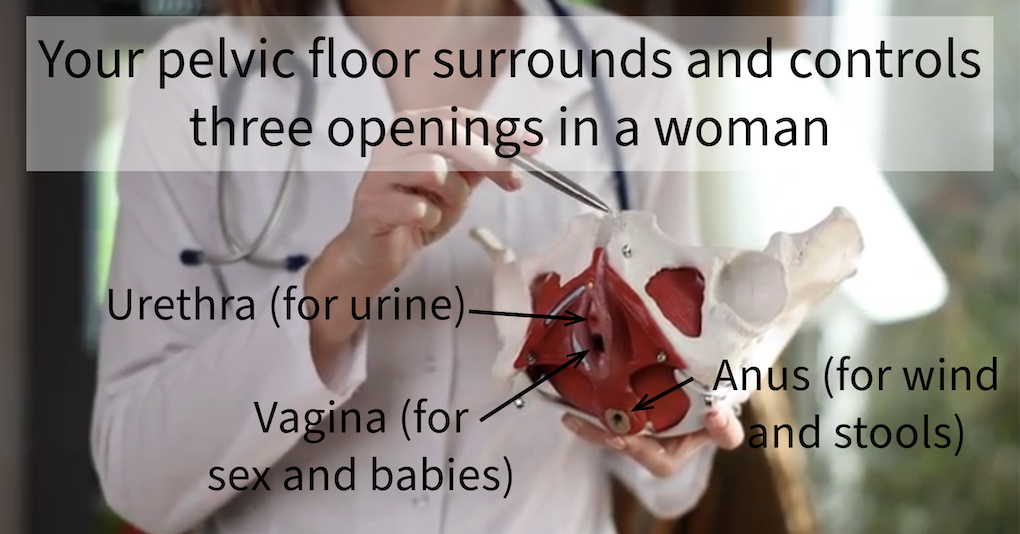
So, what exactly is the pelvic floor? Picture a hammock made of muscles, ligaments, and tissues. This amazing structure stretches across your pelvis and supports some pretty important organs: your bladder, rectum, and uterus. It also keeps your hip bones from moving around too much. It has holes going through it that allow urine, stools and babies out and sexual objects in. The contractions and relaxation of the pelvic floor muscles allow control of these openings. It’s like the unsung hero of your body, playing a key role in bladder and bowel control, stability and control of your core and even sexual function.
2. What Causes Dysfunction?
Pelvic floor dysfunction can happen for a bunch of reasons. Here are a few common ones:
- Childbirth: Vaginal delivery can stretch and strain your pelvic floor muscles.
- Aging: As we get older, our muscles naturally weaken, including those in the pelvic area.
- Obesity: Extra weight puts additional pressure on these muscles.
- Surgery: Operations in the pelvic area can affect muscle function.
- Chronic Coughing: Conditions like asthma or bronchitis can lead to persistent coughing, which strains the pelvic floor over time.
- Impact: High impact activities like running and jumping can weaken a pelvic floor that is not ready to take the pressure.
- Psychology and Bad Habits: Urge incontinence can be partly due to getting into bad habits such as weeing when your bladder isn’t full just in case you can’t find a loo later.

3. What Are the Symptoms of Pelvic Floor Dysfunction?
Wondering if yours might need some attention? Here are some signs to watch out for:
- Stress-Urinary Incontinence: Leaking a little when laughing, sneezing, or exercising. Anything with sudden high impact such as hitting a golf ball or jumping/landing.
- Urge-Urinary Incontinence: Having to suddenly rush for a wee with little warning.
- Bowel Incontinence: Starts with not being able to hold in wind at appropriate times and progresses to soiling your knickers.
- Pelvic Pain: Ongoing discomfort in the pelvic region.
- Bowel Issues: Trouble with bowel movements or feeling like you can’t fully empty your bowels.
- Prolapse: The pelvic floor may be weak enough that it can no-longer properly support the organs. The organs then descend into the vagina or rectum. This may be able to be felt when inserting fingers or seen if it if they have sunk low enough to the opening. Or there may be the feeling of a dragging sensation in the pelvis.
If you’re experiencing any of these symptoms, it might be time to give your pelvic muscles some love.
4. How Can I Strengthen These Muscles?
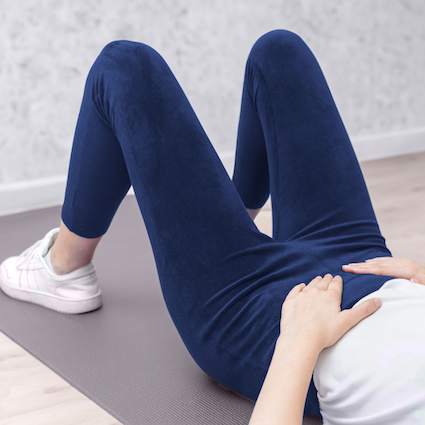
Good news! Strengthening your pelvic floor is possible and can make a huge difference. The go-to starter exercise is the Kegel. Here’s a quick guide:
- Find the Right Muscles: If you’re not sure what it feels like to tense your pelvic floor muscles, next time you’re weeing, try stopping mid-stream. Or imagine you are trying not to let out wind. The muscles you use are your pelvic floor muscles. [Note: Only stop mid-stream once, and only if you do not know what it feels like to contract your them, as this action can encourage urinary tract infections.]
- Practice: Squeeze those muscles and relax them quickly 10 times. And then squeeze and lift the muscles and keep them lifted for a count of 10 x 10 reps. Aim for three sets of 10 reps of each, each day.
- Be Consistent: Like any workout, consistency is key. Make Kegel's a part of your daily routine.
- Progress and Get Stronger: Kegel's are great when you are just learning to connect to your pelvic floor and are practicing in a stationary position. But life isn’t like that and little leaks tend to be when we are on the move. So, once you have mastered the Kegel, then you need to introduce the whole core alongside breath-work with all movement. And this is where I come into it. I run 6-week courses to help you strengthen your pelvic floor through movement and wellness. And my next one is starting Monday September 23rd 2024.
5. What Treatments Are Available For Pelvic Floor Dysfunction?
Exercises should always be the first port of call when trying to improve the pelvic floor. But if that isn’t enough, don’t worry—there are other options:
- Physical Therapy: Specialised women’s health physio’s can give you an internal examination and give you a score on how well you are contracting and relaxing your pelvic floor. Your issues may be because you are only controlling part of your pelvic floor, or your muscles might have come unattached to the pelvis in places or many other reasons they can help detect.
- Biofeedback: This method uses sensors to help you learn how to have better control over your muscles. If you’d like to try this method, I’d recommend the Elvie model which has an app where you can play games with your pelvic floor muscles.
- Surgery: In severe cases only, surgical options might be considered to repair or support the pelvic floor. But long-term success rates are relatively low, so this should be a last resort.
- Vaginal Oestrogen: If your issues came on through the menopause and are only minor, it may be that vaginal oestrogen that you can buy over the counter or get prescribed may help your symptoms.
Remember, you’re not alone, and help is available. Feel free to message me if you want any advice on your own personal situation.
Final Thoughts
Your pelvic floor might be out of sight, but it shouldn’t be out of mind. Whether you’re looking to prevent issues or address existing ones, understanding and caring for your whole pelvic region is essential. Stay informed, stay proactive to prevent issues in the future, and don’t hesitate to seek help if you need it. Your body will thank you in the long run!
My next pelvic floor 6-week course is starting Monday 23rd September 2024 at 1pm in West Worthing or on Zoom if you are far away. I’ll teach you skills to use for life so that you can grow old with good continence and core strength. You’ll learn how to exercise safely without creating issues to keep your body stronger as you get older, or following any pelvic surgery or if you have a baby. Sign-up now for the earlybird offer.