WHEN TO PUSH THROUGH PAIN...
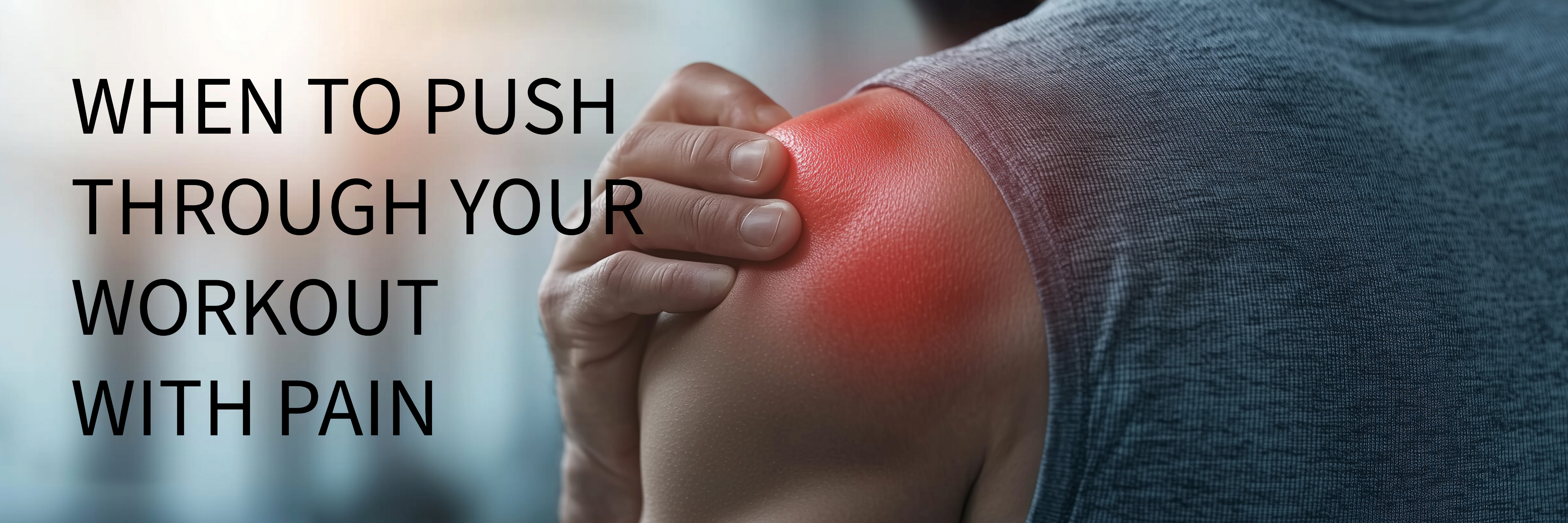
Pain is a tricky thing. Sometimes, it’s a warning sign. Other times, it’s just a part of the process. If you’re dealing with discomfort while working-out/moving, how do you know when to push through and when to back off? Let’s break it down.
Understanding Pain: Hurt vs. Harm
The first thing to understand is that pain doesn’t always mean damage. Your body picks up stimuli, but that doesn’t necessarily indicate injury. The key is understanding the difference between “sore but safe” and “painful and problematic.” Pain perception is complex, and several factors can influence how you experience it:
- Peripheral Sensitisation: This is when pain is heightened due to chemical changes in the body, not because of direct damage.
- Central Sensitisation: Sometimes, the brain becomes more sensitive to pain, making things feel worse than they actually are.
- The Nocebo Effect: If you’re constantly told movement is dangerous or you don't believe the movement will help you, you may start to fear it, which can increase pain perception.
Other factors also make a difference, such how quickly someone usually recovers from injury.
Some people recover from pain more quickly and therefore feel it less:
- Those with less pain to start with
- Personalities with low irritability
- When only one spot in the body is affected
- Those with positive lifestyle habits (i.e. non-smokers, less alcohol and good sleep patterns)
- People in good general health and weight
- High activity levels
- Positive outlook on life
- Believing you can get better leads to better outcomes
The takeaway? Pain isn’t just a physical response—it’s also influenced by beliefs, emotions, and past experiences.
A Movement-Based Approach to Relief
We know that exercise and movement can really help people who experience pain, even if it is chronic. This review of 381 studies/over 37k people, found that physical activity in general is potentially beneficial for chronic pain. Often the worst thing you can do in this situation is to stay sedentary, as the muscles then become stiffer and the pain experience is heightened through the stiffness.
For example, for those dealing with back pain or general discomfort, simple movement “snacks” throughout the day can make a difference. Try:
- Pelvic tilts on all fours – Gentle spinal movement.
- Lying knee rocks – Loosening up lower back tension.
- Thread-the-needle stretch – Relieving upper back stiffness.
- Hip thrusts – Encouraging controlled hip movement without stressing the spine.
But one thing to remember when doing exercises for immediate relief, is that more load does not necessarily mean less pain in the long run. It might do for some people, but usually it's more about doing the movements: Getting through that range of motion and getting oxygen and blood flow to the tissues and joints. More is better for muscle hypertrophy, more is better for strength, but more might not be better for pain.

Is Tendon Pain The Exception?
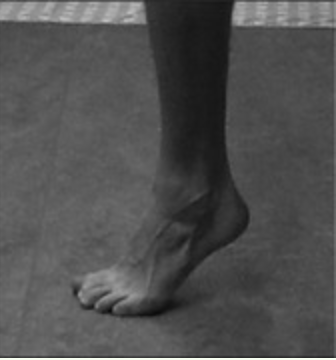
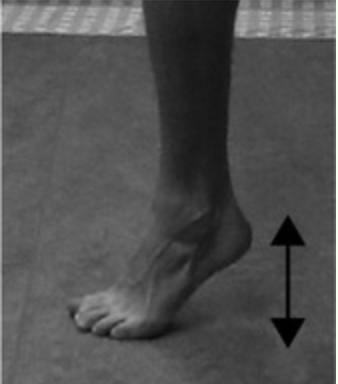
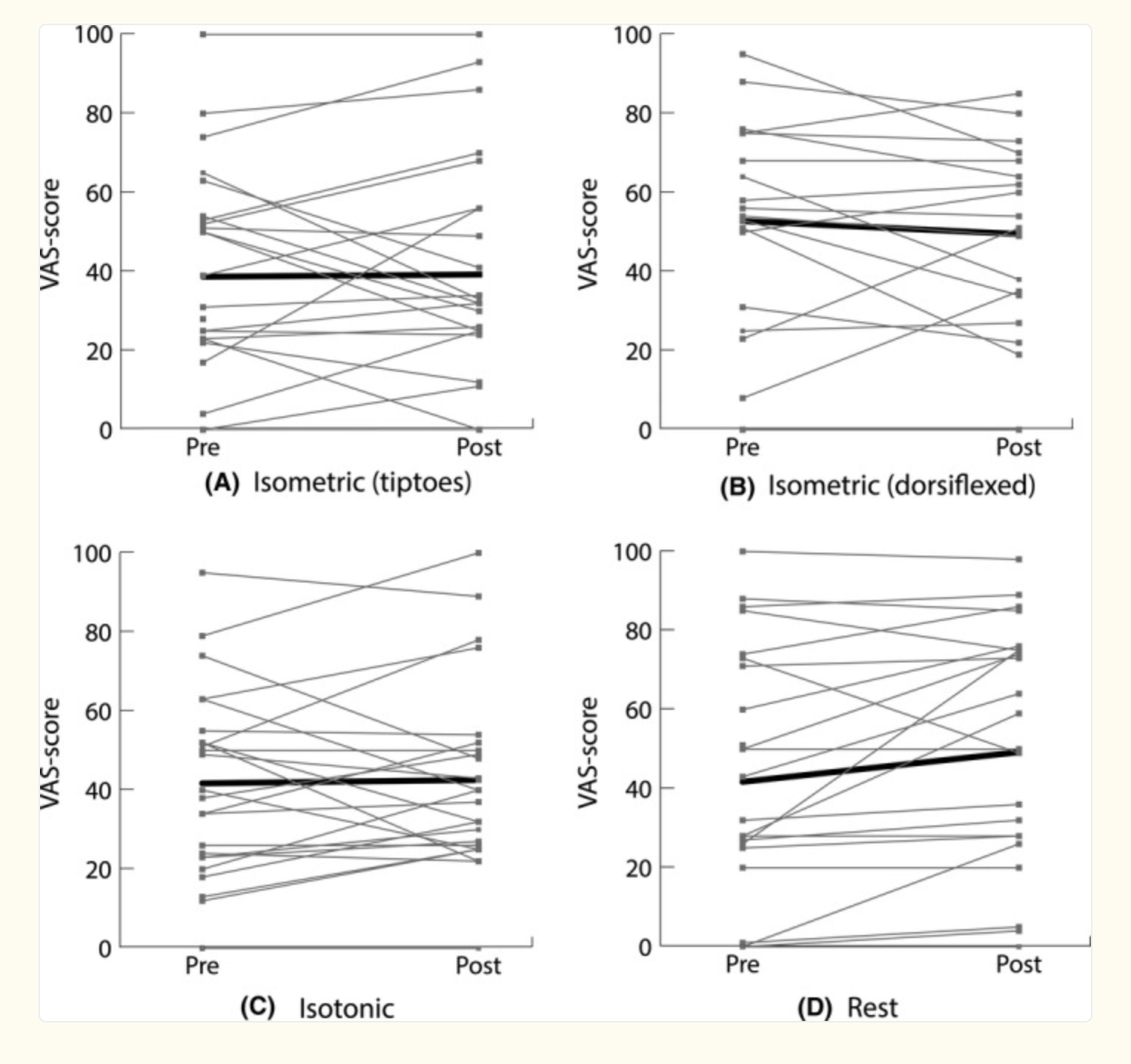
This is an interesting study that looked at 80 patients with plantar fasciitis (something I see people with on a very regular basis). They looked at whether holding on tiptoes for sets of 45 seconds, holding in dorsiflexion (i.e. stretching the plantar fascia) for 45 second sets, doing active heel raises 15 reps per set or just rest got immediate pain relief results. Interestingly, for all the different categories some people got better and some people got worse (each line on the graph is a person). And overall just resting came out marginally on top. So there isn't really one answer that fits all for tendon issues. So you will probably need to just try out all the different options and see which works for you.

So, When Should You Push Through Pain?
Mild discomfort doesn’t mean you should stop. In fact, some pain during exercise can be beneficial. Studies show that people who experience low to moderate pain during rehab often recover better. There are some basic rules you can follow to guide you:
🚦 Green Light (Safe to Push Through)
- Pain is mild (1-3/10 on a pain scale).
- Pain stays the same during movement.
- Pain improves after warming up.
- Pain decreases or remains the same 24 hours later.
- If your pain is 3/10 you should be safe to do a 7/10 on RPE (rate or perceived exertion i.e. effort)
🚧 Yellow Light (Modify, Don’t Stop)
- Pain is moderate (4-5/10).
- Pain slightly increases but remains manageable.
- Pain lingers the next day but does not worsen.
- Pain is movement-dependent (only hurts in a specific range of motion).
- If your pain is 5/10 you should be keep your workout to a 5/10 on RPE (rate or perceived exertion i.e. effort)
⛔ Red Light (Time to Back Off)
- Pain is sharp or severe (6+/10).
- Pain continues to worsen during or after exercise.
- Pain significantly limits movement.
- Pain is accompanied by swelling, bruising, or numbness.
- If your pain is >6/10 you should avoid the exercises for now that cause this pain to worsen
Adjusting Exercise to Work With, Not Against, Pain
If an exercise is painful, and you fall into the amber zone above and need to modify your exercise, here are things you can try:
✔ Intensity: Reduce weight or resistance.
✔ Frequency: Allow more rest between sessions.
✔ Range of motion: Stay within a comfortable movement range.
✔ Exercise choice: Swap out a movement for a similar but less painful one.
For example, if deep squats hurt your knees, try a shallower squat or switch to a leg press. If deadlifts aggravate your back, work on hip thrusts or single-leg variations.
IMPORTANT: The only person who really knows if dosage is right is you.
Anti-Inflammatory Food Might Help Too
One last final thing you can really do to help your pain is adopt an anti-inflammatory diet. That means removing sugar, alcohol, processed food and refined grains. And adding into your diet lots and lots of anti-inflammatory foods. Polyphenols that give fruit and vegetables their colour are great for this, so add in loads of that. High quality protein in pulses, tofu, fish and white meat. Healthy fats and especially those rich in omega-3 such as avocados, nuts, seeds and extra virgin olive oil. And a lot of spices are also anti-inflammatory like turmeric, ginger, garlic, and cinnamon.
My 21 Day Reset diet follows all these rules and leaves you feeling full of energy and people often finds it helps speed up recovery. Join me for my next one starting 28th April 2025.
Final Thoughts: Train Smart, Not Just Hard
Pain is unpredictable, and no two people respond the same way to the same exercise. The best approach? Listen to your body, adjust as needed, and don’t let pain dictate your life. Movement is medicine—but only if it’s done in a way that respects your body’s needs.
Want to take control of your pain and fitness? Focus on small, consistent efforts, hugely important is trusting in your ability to improve, and don’t be afraid to challenge yourself (safely, of course!).